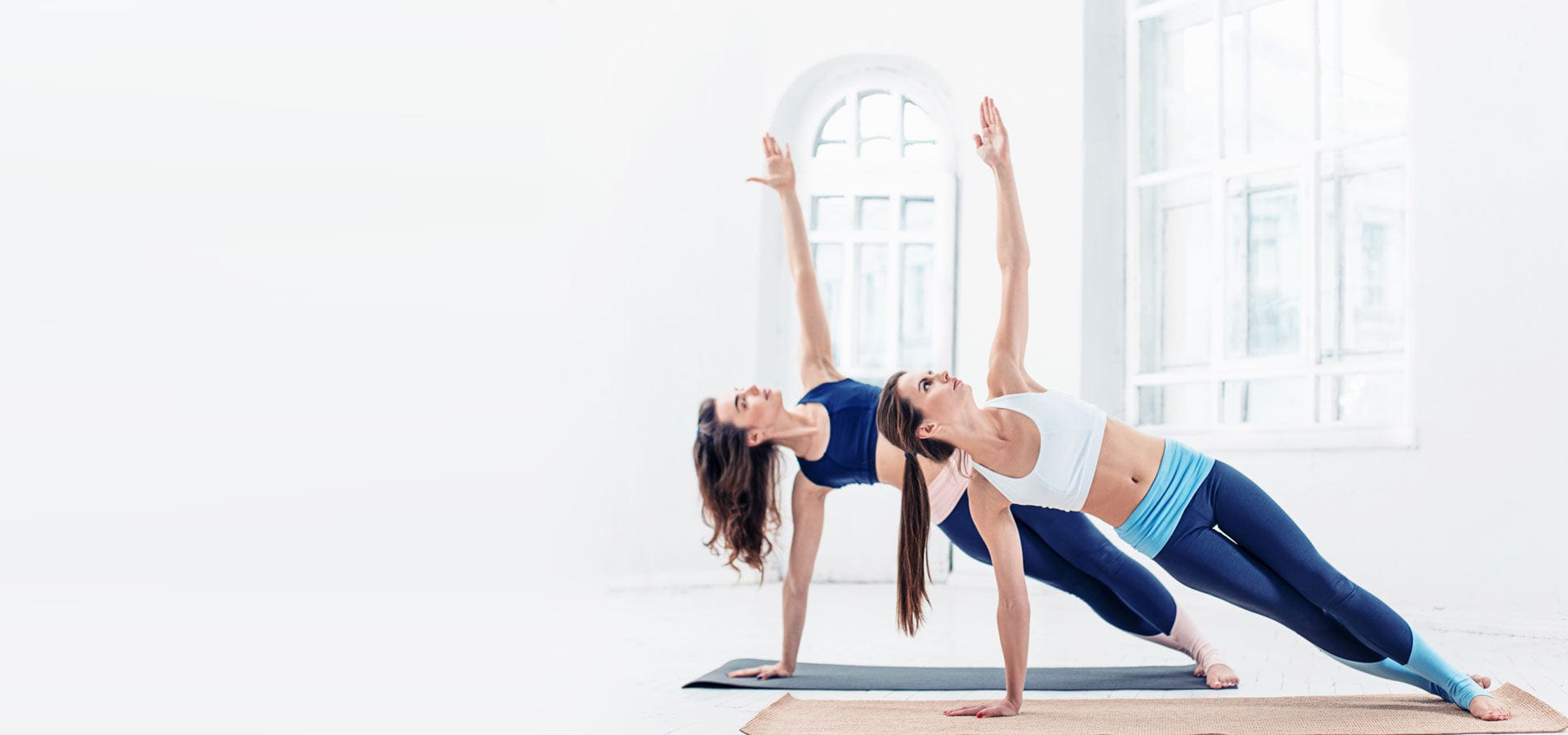
What is Yoga? A Beginner’s Guide to True Practice
🌅 Introduction to Yoga: More Than Just Poses
Welcome to your first step into the inspiring world of Yoga. Whether you’ve seen yoga featured in glossy magazines, heard friends talk about its life-changing benefits, or simply wondered why there’s suddenly a whole section of the sportswear store dedicated to yoga pants — you’re in good company. The question that echoes across studios and living rooms alike is simple: What is Yoga, really?
In recent years, Yoga has blossomed into a global phenomenon. Millions now roll out their mats daily, seeking strength, flexibility, or a sense of peace in a chaotic world. Yet, for many, the true heart of Yoga remains a delightful mystery. Is it a workout? A spiritual practice? An ancient philosophy? (Spoiler: it can be all of these, and often much more.)
Clearing Up the Confusion
For every person who swears by Yoga’s transformative power, there are plenty who think it’s just creative stretching — or an impressive excuse to nap quietly at the end of a workout class. It’s easy to get lost in the swirl of images on social media: gravity-defying handstands, blissful smiles, and sun-kissed beaches. But Yoga is not about bending yourself into a pretzel, nor does it require a passport to Bali or a library of Sanskrit phrases.
What This Article Covers
This guide is your friendly roadmap to understanding Yoga from the ground up. We’ll peel back the layers to explore:
- The true meaning and origins of Yoga (beyond trendy hashtags)
- Yoga as a practice that unites body, mind, and spirit
- Practical insights for complete beginners — no flexibility required!
- Why Yoga is for every body, at every age
- How Yoga’s benefits go far beyond the mat: cultivating mindfulness, resilience, and a deeper connection with yourself
By the end of this journey, you’ll see that Yoga is less about how you look in a pose and more about how you feel — inside and out. Whether you’re curious, cautious, or ready to take the plunge, this guide was made just for you. Roll out your (literal or metaphorical) mat, take a deep breath, and let’s discover what Yoga is really all about.
🍃 Yoga: Origins and Traditional Meaning
Yoga—a word that floats gracefully into modern conversations about health, fitness, and even stress management. But what does “Yoga” truly mean? To answer this, let us journey to the ancient roots of this profound science.
🌱 The Origin of the Word ‘Yoga’
The term “Yoga” springs from the Sanskrit root yuj, meaning “to join,” “to unite,” or “to yoke.” This alludes to the very heart of what Yoga represents—the union of individual consciousness (jivatma) with the universal consciousness (paramatma). It symbolizes the connection between mind, body, and spirit, a seamless flow of energy and awareness.
In a lighthearted sense, think of Yoga as an ancient “connectivity app”—but instead of linking devices, it harmonizes your inner world with the universe itself! 😉
📖 Definitions from Ancient Texts
The earliest references to Yoga appear in the Vedas and Upanishads—sacred Indian scriptures that date back thousands of years. Here, Yoga was revered not merely as a set of practices, but as a path toward self-realization and liberation.
The Yoga Sutras of Sage Patanjali—considered the foundational text for classical Yoga—define Yoga in his very first sutra:
“Yogaḥ citta-vṛtti-nirodhaḥ”
(Yoga is the cessation of the fluctuations of the mind.)
This teaching makes clear: true Yoga is not just about bending, stretching, or even meditation, but about calming the restless mind so we may glimpse our true nature—steady, peaceful, and unchanging.
🌼 Yoga as Described by the Great Masters
Swami Vivekananda, who introduced Yoga to the West, described it as “the means of compressing one’s evolution into a single life or even a few short years.” Meanwhile, Adi Shankaracharya declared that “Yoga is perfect evenness of mind,” echoing the Bhagavad Gita’s wisdom: “Samatvam yoga uchyate”—“Equanimity is Yoga.”
Swami Sivananda of the Divine Life Society expounded that “Yoga is the discipline of the mind, senses, and the body,” enabling harmony and balance within and without.
In essence, Yoga is both a means and an end—the pathway and the destination. It offers a practical toolbox for walking the journey towards self-mastery, wisdom, and joy.
🕉️ The True Goal of Yoga: Connection and Inner Freedom
At first glance, Yoga can seem like a beautifully choreographed workout routine. But the truth is, the physical postures are just the tip of the iceberg. Beneath those poses lies an ancient wisdom—a way of living and being that has helped people lead happier, more meaningful lives for thousands of years.
What Does “Yoga” Actually Mean?
As mentioned earlier, the word “Yoga” comes from a root that means “to join,” “to yoke,” or “to unite.” But don’t worry, this doesn’t mean you need to show up with farm equipment! In the context of Yoga, it’s about creating harmony—bringing together different parts of your being: your body, your breath, your mind, and even the deeper sense of who you really are.
The Big Picture: Union with Self and the World
Yoga urges us to look beyond our daily routines, stress, and fragmented attention spans. Its real goal is to help us remember that we are part of something greater—that the boundaries between “me” and “the world” aren’t as rigid as they seem.
- Union with Yourself: Yoga guides you back home to yourself. It helps you listen to the body, soothe the mind, and cultivate a friendly relationship with your own thoughts.
- Union with the World: When you spend time in the present moment, growing calmer and more compassionate, it naturally transforms your relationships—with others, with nature, with everything around you.
Liberation: The Heart of the Practice
In its deepest philosophy, Yoga aspires to “liberation.” But what does that mean? It can sound a bit lofty, even intimidating. Liberation here is about freedom from suffering—the kind that comes from feeling lost, restless, or trapped by habits and negative thoughts. It’s not about escaping the world, but seeing clearly and joyfully through it.
Yoga teaches that real happiness and peace are already within you. The practices help remove the clouds so you can experience your life more fully, without getting stuck in past regrets or future worries.
Modern Perspective: Practical Liberation
You might not wake up tomorrow as a fully enlightened yogi (but hey, never say never!). However, each breath, each mindful movement, is a step toward more ease and lightness. That’s Yoga’s quiet gift—showing us how to feel less tangled up inside and more free, here and now.
Whether you’re hoping to touch your toes or just touch a sense of calm, Yoga’s ultimate destination is the same: connecting you with your truest self, and bringing a little more joy and freedom into every day.
🌳 Exploring the Branches: The Four Main Paths of Yoga
Yoga isn’t a one-size-fits-all journey. In fact, it’s more like a lush tree with several strong branches—each a unique path, but all reaching toward the same sunlight of self-awareness, balance, and peace. While many know Yoga as down dogs and sun salutations, the ancient tradition speaks of four main paths to wholeness, each catering to different personalities and life approaches.
1. Karma Yoga: The Yoga of Action
Love rolling up your sleeves and making a difference? Karma Yoga teaches us to act with love and generosity, without expecting anything in return. This path is about selfless service—offering your energy to help others, whether it’s volunteering, caring for family, or just lending a hand at work. Karma Yoga transforms ordinary duties into sacred practice. If you’ve ever experienced the quiet contentment after a kind act, you’ve tasted Karma Yoga.
2. Bhakti Yoga: The Yoga of Devotion
If you’re someone who feels life most deeply through the heart, Bhakti Yoga may speak to you. This is the path of love, devotion, and surrender—not necessarily to a specific deity, but to something greater than yourself. Singing, chanting, prayer, or simply pouring your heart out to the universe—all are expressions of Bhakti. Through devotion, the walls around the heart soften, and a sense of connection and joy blossoms.
3. Jnana Yoga: The Yoga of Knowledge
Ever been driven by deep questions—“Who am I?” “What is the purpose of life?” Jnana Yoga is the path of wisdom and self-inquiry. It invites you to explore the nature of reality through study, reflection, and mindful questioning. Jnana isn’t just an intellectual pursuit—it’s about seeing past illusions and arriving at clarity, simplicity, and inner freedom. If you love books, pondering big questions, or a good philosophical debate, this path might just be your jam.
4. Raja Yoga: The Yoga of Meditation and Discipline
Raja Yoga, often called the “royal” path, draws together mind and body practices—meditation, breathwork, and ethical living. It’s from Raja Yoga that we get the now-famous eight limbs of Yoga, which includes everything from posture to deep meditation. Think of this path as the art and science of quieting the mind, training your attention, and finding deep relaxation and stillness within. For those craving inner peace and a break from mental chatter, Raja Yoga is a powerful doorway.
How the Paths Work Together
Most of us don’t walk just one single path. Throughout life—and even day to day—we naturally weave these approaches together. A little selfless action here, a loving heart there, a quest for wisdom, and some time to simply sit, breathe, and be. The beauty of Yoga is that these branches aren’t in competition. Like ingredients in a good recipe, they combine to support a healthy, fulfilling life, whether you start with movement, mindfulness, devotion, or service.
Yoga offers a path for every season—and every personality—so you can find your way home, one step (or pose, or question, or song) at a time.
🧘♂️ The Eight Limbs of Yoga: Your Guide to Wholeness
If you’ve ever wondered why some people seem serenely at ease in a yoga class (while your mind is still making grocery lists in downward dog), the answer may lie in a beautiful map called Ashtanga Yoga—the eightfold path. Far more than a style or sequence of poses, these eight limbs are a practical guide for living a meaningful and balanced life, crafted by the sage Patanjali over 2,000 years ago.
Let’s unravel these steps, designed to move you gently from your outer world to the calm center within:
1. Yama: The Art of Kindness
Yamas are ethical guidelines—think of them as invitations to live your values. They include kindness (ahimsa), honesty, non-stealing, wise use of energy, and generosity. Imagine them as friendly “do’s and don’ts” for being a good human; not scary rules, just reminders to move through life with heart.
2. Niyama: Your Personal Habits
Niyamas are about caring for yourself—cleanliness, contentment, discipline, self-study, and trust in life. Developing these habits helps create a strong, joyful foundation, both on and off your mat.
3. Asana: The Postures
Here’s the part where you stretch, strengthen, and explore your body. While many people meet yoga first through poses like Warrior or Tree, the real goal is steadiness, comfort, and feeling fully alive in your skin. If you wobble or fall, don’t sweat it—the mat is the world’s kindest playground.
4. Pranayama: The Breath of Life
Breathwork, or pranayama, connects mind and body. Simple techniques—like slow, deep breaths—can turn chaos into calm. Try noticing your breath when you feel stressed, or practice a few minutes of mindful breathing each day for a mood lift (side effects: fewer sighs and eye rolls).
5. Pratyahara: Turning Your Senses Inward
In a noisy world, pratyahara is your invitation to pause. It’s about gently drawing your awareness inward and taking a break from overstimulation. Think of it as “airplane mode” for your senses—a little quiet time to tune in, recharge, and listen to your needs.
6. Dharana: The Power of Focus
Ever tried to meditate and ended up planning dinner instead? Dharana is about bringing scattered attention back to one thing—a candle flame, your breath, a mantra—so the mind can settle. Small steps, like focusing on sipping your tea, can build this skill even off the mat.
7. Dhyana: Meditation in Motion
Dhyana is sustained awareness. This isn’t just sitting perfectly still; it’s gently riding the waves of your mind without getting thrown off by every distraction. Over time, meditation can become as natural as breathing (most days).
8. Samadhi: Inner Freedom
The finish line—and also just the beginning. Samadhi is a state of deep peace and unity, where the sense of “me” and “everything else” fades into joyful oneness. Even a glimpse—a moment of complete presence or awe—can remind us of our connection to life.
How Beginners Can Explore These Limbs
You don’t need to master all eight limbs overnight (not even the most dedicated yogis do). Begin with kindness to yourself and others, a few minutes of mindful movement, and perhaps your breath as a daily anchor. As you move and breathe with intention, you’ll notice Yoga slowly weaving its calm and clarity into every corner of your life.
The eight limbs offer tools for body, mind, and heart—no flexibility required, just a touch of curiosity and a willingness to show up, exactly as you are.
🌟 Yoga in the Modern World: Building Holistic Well-being
Yoga has traveled far from its ancient roots, blossoming into a global movement that touches nearly every corner of health and wellness. While its deep philosophy has remained, the way people practice Yoga in the West often looks (and feels) quite different from the original traditions.
Modern Yoga: Styles for Every Body
Today you’ll find Yoga across gyms, parks, studios, and even on YouTube, with flavors as diverse as the people who practice them. There’s gentle Hatha Yoga for beginners and those needing a soothing stretch. Vinyasa Yoga brings a dynamic, dance-like flow—perfect for anyone who loves movement and the feeling of being in sync with their breath. Iyengar Yoga puts the spotlight on alignment and the smart use of props, making poses accessible and safe for all bodies.
Other contemporary styles—Restorative, Power Yoga, and Hot Yoga—cater to a wide array of preferences and physical abilities. The menu is vast: whether you want sweat and challenge or deep restoration, there’s a practice for you.
More Than a Workout: Yoga’s Transformative Impact
Even as classes grow more physical in the West, Yoga continues to deliver what the ancient sages promised: transformation on every level.
- For Mental Health: Yoga is now celebrated as a scientifically-backed mood booster, cutting through stress, anxiety, and even symptoms of depression. Simple practices like conscious breathing and gentle movement help calm the nervous system, creating space for more peace in daily life.
- For Stress Reduction: That signature exhale at the end of class isn’t just a cliché—it’s your body’s relief as tension melts away. Regular Yoga practice teaches how to manage life’s ups and downs with grace instead of overwhelm.
- For Longevity and Vitality: From posture to heart health, studies show Yogis age gracefully, with better flexibility, strength, and mobility. But the best benefit of all? A lasting sense of vitality and zest for life.
- For Lifestyle Transformation: Yoga encourages mindful eating, balanced living, and sometimes even introduces curious practitioners to practices like intermittent fasting. The focus shifts from rigid rules to listening deeply to your body and making conscious choices that support a vibrant, joyful life.
Yoga as Holistic Well-being
While social media might show Yoga as acrobatics or photogenic poses, the heart of the practice is still about balance—uniting body, mind, and spirit. Yoga becomes not just something you “do,” but an approach to daily living. It helps build resilience, compassion, and connection, both with others and with your own unique journey.
No matter where you start—gentle movement, a moment of breathing, or a class at your local studio—Yoga today welcomes you as you are. The real gift is in exploring how this ancient practice still refreshes the modern soul, guiding each of us toward true holistic well-being.
🧠 Shedding Light on Common Misconceptions About Yoga
With yoga’s popularity skyrocketing, it’s no surprise that a few myths have started stretching themselves a little too thin. Let’s clear the air—yoga is for everyone. No need to twist yourself into a pretzel (or even touch your toes) to start reaping its benefits.
Myth #1: “Yoga is Only for Flexible People”
“I can’t even touch my toes!” If this sounds like you, you’re in perfect company. Flexibility is not a requirement to begin yoga—it’s actually a (very pleasant) result of regular practice. Yoga welcomes every body type, age, and starting point. Stiff, wobbly, or creaky? Even better. You might even find your first wobbly attempts become tomorrow’s moments of confidence.
Myth #2: “Yoga is Just Stretching or Fancy Poses”
While Instagram seems to suggest that yoga is all about impressive poses in beautiful places, the real magic lies beyond the physical. The postures (asanas) are just one tiny slice of the yoga pie. Breathwork, meditation, self-reflection, and ethical living are all essential ingredients. You could spend your whole life practicing yoga without ever attempting a headstand—and still experience its full rewards.
Myth #3: “Yoga is a Religion”
Yoga’s roots are spiritual, but it isn’t a religion. You don’t need to change your faith (or lack thereof) to practice yoga. It’s better described as a philosophy or lifestyle—a set of tools anyone can use, regardless of belief system, background, or favorite type of pizza.
Myth #4: “Yoga is Only for Women, or Young People”
Look around any class or community, and you’ll find people from all walks of life: men, women, non-binary folks, teens, seniors, and everyone in between. The only real “requirement” is a curious mind and a willingness to give it a try. The yoga journey fits every season of life—making it as welcoming at 70 as it is at 17.
Myth #5: “You Need Special Gear or Expensive Classes”
Yoga props and yoga pants are nice, but absolutely not necessary. You can practice on any firm, comfortable surface, in whatever clothes allow you to breathe and move. Community centers, online classes, and even books offer ways to explore yoga without breaking the bank.
Authentic Yoga: Beyond Stereotypes
Remember, the most important part of yoga is how it makes you feel on the inside, not how it looks from the outside. Whether you take five deep breaths before bed or flow through a full hour-long class, it’s all yoga. The journey is uniquely yours—and that’s what makes this practice so universally powerful.
So, next time you catch yourself thinking, “Yoga isn’t for me,” take a breath and give it another look. You might just surprise yourself.
🔆 Getting Started: How to Begin Your Yoga Journey
So, you’re feeling inspired to try yoga. Maybe you want to feel less stressed, move with more ease, or just carve out a little “me-time” in a busy world. Whatever your reason, the great news is: starting your yoga journey is simpler and more enjoyable than you might imagine.
Step 1: Set Your Intention
Before you even unroll a mat, take a moment to ask yourself why you want to start yoga. Is it for relaxation, strength, flexibility, better sleep, or inner calm? Setting an intention—no matter how small—can help connect you to your “why” and keep you motivated as you explore.
Step 2: Choose Your Path
Don’t worry, you don’t need to decide your lifelong yoga destiny on day one! Yoga has many styles, from slow and gentle to energizing and athletic. Try a beginner’s class that fits your mood or personality. Here are some ideas:
- Hatha Yoga: Great for learning the basics at a comfortable pace.
- Vinyasa Flow: Perfect if you like dynamic movement synced with breath.
- Restorative or Yin Yoga: For deep relaxation, stretch, and stress relief.
- Iyengar Yoga: If you appreciate attention to alignment and the option of props.
Many platforms, community centers, and https://swogue.com offer resources and beginner-friendly guides to get you started.
Step 3: Create Simple Yoga Habits
Start small. Even five to ten minutes a day is enough to spark big changes over time. Here are a few easy tips to weave yoga into life:
- Practice gentle stretching in the morning or before bed.
- Take mindful breaths during busy moments.
- Dedicate a quiet spot at home for your practice.
- Use a calendar or app to track your consistency (gold stars totally optional, but highly recommended).
Step 4: Find Guidance and Community
Yoga is often more enjoyable—and less intimidating—when practiced with others. A beginner’s class (in person or virtual) offers support, safe instruction, and the friendly comfort of knowing everyone is learning together.
If getting to a studio isn’t practical, there are plenty of high-quality online classes, video tutorials, and resources on https://swogue.com to help you learn at your own pace.
Step 5: Progress at Your Own Speed
Yoga is not a race! Some days you’ll feel energized, other days you might prefer rest. Form a habit of checking in with your body and mind before—and during—practice. Celebrate your progress, no matter how small. Remember, simply showing up is a win.
Bonus Step: Immerse Yourself
Feeling curious? Dive deeper into books, articles, or podcasts about yoga’s philosophy, history, and benefits. This understanding helps grow both your practice and appreciation for yoga as a way of life.
Your Invitation
Your yoga journey is uniquely yours—so give yourself permission to explore, adapt, and enjoy it in whatever way fits best. With patience, a little curiosity, and the guidance of a supportive community, yoga can become a lifelong friend—offering moments of strength, clarity, peace, and joy.
🌸 Conclusion: The Timeless Invitation of Yoga
As we wrap up this journey through the heart and soul of yoga, let’s pause for a gentle breath—a reminder that yoga isn’t just an ancient tradition, but a living, breathing practice here and now, waiting for you.
Yoga isn’t about perfection, flexibility, or mystical secrets reserved for a few. It’s about making space in your life for presence, kindness, curiosity, and self-discovery. Whether you’re seeking relief from stress, longing for a healthier body, or yearning for a deeper sense of peace and purpose, yoga offers a path uniquely your own.
From its roots as a spiritual quest for meaning to its place in today’s world as a tool for holistic health, yoga continues to invite us inward—with equal parts challenge and reassurance. Each stretch, breath, and mindful pause is an opportunity to reconnect with yourself, explore your potential, and cultivate joy in everyday moments.
You don’t need a perfect “downward dog” or years of experience to begin. All yoga asks of you is a willingness to start, right where you are. Every step, every breath, every moment of awareness unfolds into new understanding and greater well-being.
So roll out your mat, or just sit quietly and breathe. Reflect on what most resonates with you. And remember—the timeless invitation of yoga is always open, just waiting for you to step in and discover its gifts.
Whenever you’re ready, let your journey begin.
✨ Frequently Asked Questions About Yoga
Whether you’re rolling out your mat for the very first time or considering a new style, it’s natural to have questions! Here are some common queries—answered simply—to help you start or deepen your journey with confidence.
Is yoga a religion?
No, yoga is not a religion. While yoga’s roots are spiritual and philosophical, it doesn’t require you to adopt any beliefs or change your faith. Yoga is a universal practice—open to people of every background, culture, and creed.
Do I have to be flexible to do yoga?
Absolutely not! Flexibility is not a requirement; it’s a benefit that develops over time with practice. Yoga is truly for every body, regardless of age, shape, or “touch-your-toes” ability.
Can I start yoga at any age?
Yes! Yoga welcomes everyone, from children to seniors. Gentle styles and modifications allow anyone to enjoy its benefits, whether you’re 8, 80, or anywhere in between.
What should I wear or bring to my first yoga class?
Comfort is key. Choose clothes you can move in easily and a mat if you have one—if not, many studios provide them. Props like blocks or straps are helpful but never mandatory.
Is yoga a good workout? Will it help me lose weight?
Yoga comes in many forms—some gentle and restorative, others active and energizing. Depending on the style, yoga can improve strength, flexibility, and balance, and support healthy weight management. Most importantly, it helps you develop a kind, mindful relationship with your body.
Do I have to meditate or “empty my mind” to practice yoga?
Not at all! Meditation is a part of traditional yoga but isn’t required, and nobody completely empties their mind (unless they’re thinking about pizza, but that’s another story). Simple breathwork and present-moment awareness are wonderful ways to begin.
How often should I practice yoga to see results?
Consistency matters more than intensity. Practicing even a few minutes each day can bring noticeable benefits to body and mind. Find a routine that fits your lifestyle and feels supportive.
Can men practice yoga?
Absolutely! Yoga is for everyone. While you might see more women in some classes, men have been practicing yoga for centuries and continue to benefit from its physical and mental rewards.
Will yoga conflict with my religious beliefs?
Yoga is a personal practice, not a religious ritual. Most people find it complements their own beliefs and values, rather than competing with them.
If your question isn’t answered here, explore more at https://swogue.com or connect with a local class or instructor. Your curiosity is the best companion on this path—let it guide you wherever yoga leads!
🌿 Inspiration for Your Yoga Journey
Every journey has moments that spark curiosity, courage, and even a gentle nudge to keep going. As you step into yoga, remember: you're joining a tradition both timeless and always new—a practice shaped as much by yesterday’s wisdom as today’s lived experience.
Real-Life Inspiration
Yoga is practiced by millions, each with a unique story. Some arrive on their mat after a long day, seeking calm for a restless mind. Others turn to yoga for healing—a gentle path through life’s aches, pains, and big transitions. Many simply want to feel stronger, sleep better, or reconnect with themselves amidst life’s noise.
No matter your reason, your path is as valid and meaningful as anyone else’s.
Words to Guide Your Practice
“Yoga is not about touching your toes. It is what you learn on the way down.”
Let this idea be your guiding light: Yoga isn’t measured by perfection or how quickly you master a pose. Rather, it’s your willingness to show up, breathe, and try again—the small victories and honest attempts that matter most.
Making It Your Own
Adopt yoga with a gentle heart and an open mind. The best teacher is your own experience. Some days may be full of energy and movement; others may be simply about stillness, reflection, or a few conscious breaths. Both are equally valuable.
Celebrate every little step, whether it’s balancing on one leg, finding comfort in stillness, or finally letting go of self-judgment.
Your Next Step
Let curiosity and kindness guide your journey—there’s always more to explore, learn, and enjoy. Whether solo or with a group, guided or self-led, yoga will meet you exactly where you are, every single time.
You’re invited to begin. The mat—and the full richness of this practice—is waiting for you.
Beginner
Yoga
Shrinidhi Shastri
Keep In Touch
We care about your data. Read our privacy policy.
From Our Blog
Shop Yoga Essentials


