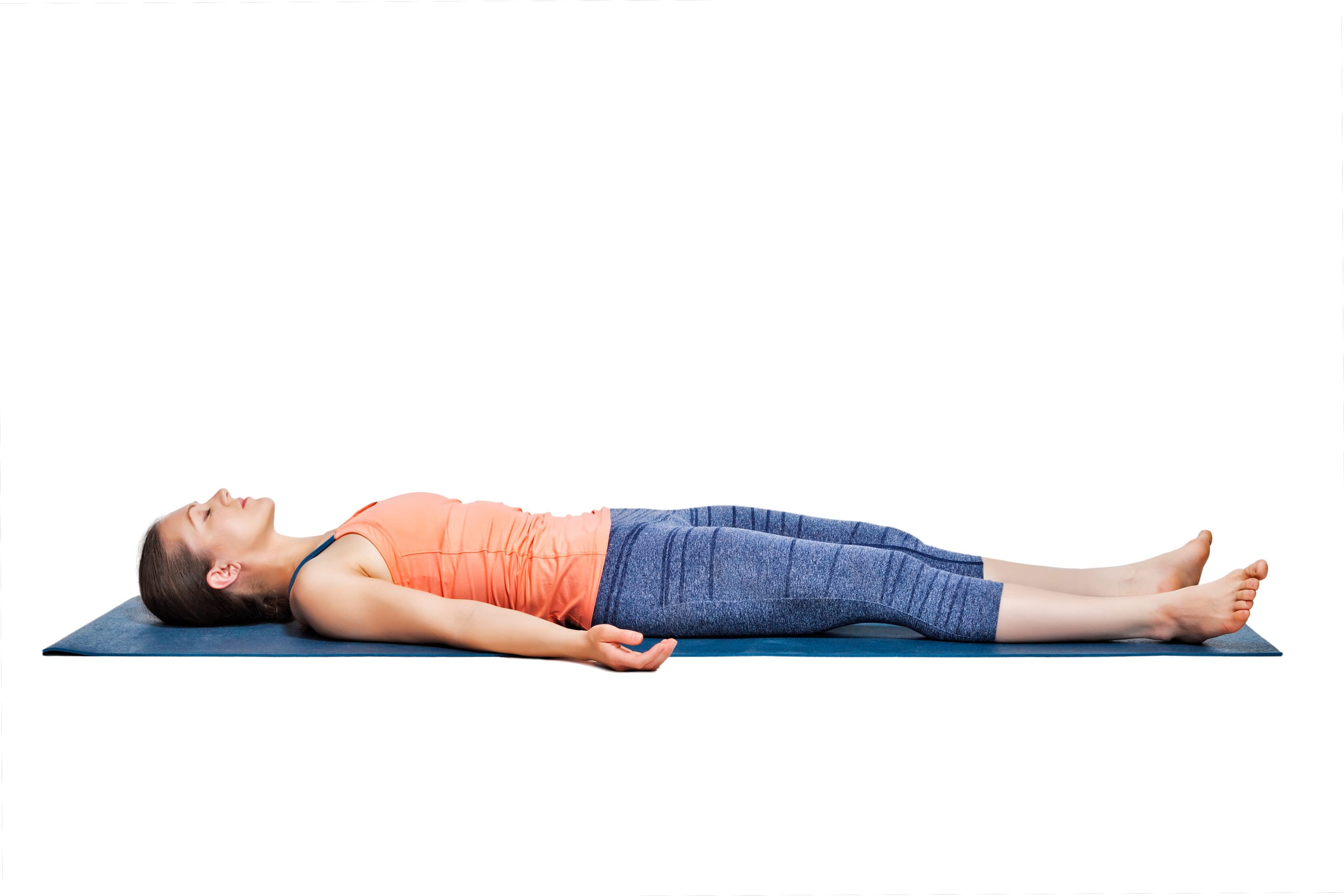
Corpse Pose (Savasana): The Complete Guide to Deep Relaxation, Benefits, and Practice Tips
Introduction to Savasana (Corpse Pose)
If you’ve ever ended a yoga class by simply lying down on your mat and closing your eyes, you’ve already tasted the essence of Savasana—sometimes called the “Corpse Pose.” At first glance, it might look like the easiest pose in yoga. Just lie flat, do nothing, and… that’s it, right? But if you ask anyone who’s practiced yoga for a while (including me!), you’ll soon hear a very different story.
What Is Savasana?
Savasana (pronounced shah-VAH-sah-nah) literally means “corpse pose” in Sanskrit. It is also known as Mritasana.
- Sava = corpse
- Asana = pose or posture
It’s traditionally practiced at the end of a yoga session, giving the body and mind a chance to rest, recharge, and absorb all the benefits of your practice.
First Impressions: The Easiest Pose?
Let me be honest: the first time I tried Savasana, I thought, “How hard can this be? I’m just lying here!” Within a few moments, though, my mind started running wild—lists, worries, little itches, random thoughts. My body felt restless, even though I wasn’t moving. The more I tried to “do” relaxation, the less relaxed I felt!
If you’ve experienced something similar, you’re not alone. In fact, Savasana is often described in classic yoga texts as one of the most deceptively challenging postures. As Swami Sivananda and other teachers point out, it’s easy to relax the body, but truly relaxing the mind is a lifelong practice.
Why Is Savasana So Important?
In our busy, modern world, we’re surrounded by constant stimulation—work, screens, endless to-do lists. Even when we “rest,” many of us are still tense and distracted. Savasana teaches us something radical: how to truly let go, even for just a few minutes.
Here’s why Savasana matters so much:
- Deep Relaxation: It’s not just about physical rest. Savasana is a whole-being relaxation, letting go of muscle tension, mental chatter, and even emotional stress.
- Energy Conservation: Like cooling an overheated engine, Savasana helps us recharge. We often waste energy through unnecessary tension—Savasana helps us reclaim and restore it.
- Balance: By practicing conscious relaxation, we learn to balance effort and ease—in yoga and in life.
- Awareness: Savasana invites us to become aware of subtle tensions and patterns in the body and mind, giving us a unique opportunity to observe, accept, and gradually let go.
What to Expect in This Article
In the sections ahead, we’ll explore:
- The science and philosophy of relaxation
- How Savasana helps us manage stress and tension
- Step-by-step instructions to practice Savasana effectively
- Common challenges (and how to overcome them)
- The profound physical, mental, and spiritual benefits you can experience—even as a complete beginner
Whether you’re brand new to yoga or have been practicing for years, Savasana is your chance to come home to yourself, one breath at a time. All you need to do is show up, let go, and trust the process.
Let’s begin!
The Science and Philosophy of Relaxation
Have you ever noticed how tired you feel—not just after a workout, but after a stressful day, an argument, or even a long session of overthinking? It’s easy to assume that only physical activity drains our energy, but yogic wisdom and modern science both reveal a deeper story: relaxation is not laziness, but a conscious, powerful practice for renewing body and mind.
Why We Need Relaxation
In today’s fast-paced world, many of us have forgotten how to truly relax.
- We’re bombarded by constant stimuli—work deadlines, social media, busy schedules.
- Even when we think we’re resting, our minds often stay busy, and our bodies remain subtly tense.
- This chronic tension isn’t just uncomfortable—it actually depletes our energy, affects our mood, and can even lead to illness.
A small anecdote:
I once had a student—a successful professional—who confessed she couldn’t remember the last time she truly felt relaxed. “Even when I’m on vacation,” she said, “I’m thinking about work, family, and what I need to do next.” Savasana was her first real lesson in conscious relaxation. After her first class, she described feeling lighter, as if a weight she’d been carrying for years had begun to lift.
How Tension Wastes Energy
According to classical yoga teachings, most of our energy is wasted not by activity, but by unnecessary tension—in our muscles, nerves, and mind.
- Imagine a car running with its engine revved, even when parked. That’s how many of us move through life—always “on,” burning fuel even when we’re not moving.
- Every action, thought, and emotion uses up energy, or prana (vital force).
- Negative emotions—anger, worry, anxiety—can drain us faster than physical work. Just a few minutes of stress can leave us feeling exhausted for hours.
Key ideas from yoga philosophy:
- When you’re tense, you’re expending energy just to hold that tension.
- Over time, this “energy leak” can lead to fatigue, irritability, and even physical illness.
The Yogic Principle: Conservation and Balance
Yoga teaches us to conserve and balance our energy, not waste it.
- True relaxation is a skill—one we often need to relearn, like we did naturally as children (think of how easily babies relax!).
- Savasana is the central yogic practice for cultivating this relaxation. It’s not about collapsing or falling asleep, but about consciously letting go—physically, mentally, and emotionally.
- The result? More energy, clearer mind, greater emotional resilience.
Personal reflection:
Early in my own yoga journey, I thought pushing harder would make me stronger. But over time, I learned that my greatest progress happened not during intense effort, but in moments of true rest—especially in Savasana. That was my “aha!” moment: relaxation is just as important as action.
Relaxation: Not Laziness, But Living Smart
It’s important to understand that relaxation is not the same as laziness.
- Laziness is inertia—a lack of motivation or interest, often leaving us feeling dull or restless.
- Relaxation, as practiced in yoga, is a state of balanced rest—full of potential energy, clarity, and vitality.
- Great thinkers, artists, and leaders (even Napoleon and Gandhi!) were known for their ability to relax deeply, recharge, and return to their work with renewed focus.
The Mind-Body Connection
Modern science now echoes what yogis have said for centuries:
- The mind and body are deeply connected. If your muscles are relaxed, your mind is calmer—and vice versa.
- During relaxation, the body’s healing systems activate: heart rate slows, breathing deepens, and the “rest-and-digest” response replaces stress.
- As you lie in Savasana, you may begin to notice your own “trouble spots”—tight shoulders, clenched jaw, or busy thoughts. With practice, you learn to let go, little by little.
“Relaxation is not so much a state as a process, a series of levels of increasing depth. It is a matter of letting go, instead of holding on; of not doing, rather than doing.”
In Savasana, you begin to experience what true relaxation feels like—a state where energy is restored, the mind is quiet, and the spirit finds space to breathe. It’s a practice that, over time, can transform not only your yoga, but your life.
The Three Levels of Relaxation in Yoga
Savasana, at its core, is much more than just lying still. In traditional yoga, relaxation unfolds on three interconnected levels: physical, mental, and spiritual. Understanding these layers can help you move from simple rest to a truly rejuvenating experience—on your mat and in your life.
Physical Relaxation
Most of us carry hidden tension in our bodies. You might notice your shoulders are raised, your jaw is clenched, or your legs never fully let go. In yoga, we learn that every action begins with a thought, which sends a signal to the muscles, causing contraction. Often, those signals keep firing long after we need them.
Physical relaxation in Savasana means:
- Becoming aware of each part of the body, one at a time.
- Using gentle autosuggestion (“I relax my feet, my calves, my back…”) to invite each muscle group to release.
- Allowing the process to reach even the involuntary organs, like the heart or digestive system, through the power of the subconscious mind.
- Practicing progressive relaxation from the toes up to the head.
When I first tried this, I was amazed to discover tension in places I never noticed before—my forehead, my tongue, even my hands. As you practice, you’ll start to recognize and release these subtle tensions more easily.
Mental Relaxation
Even when the body is at rest, the mind can keep racing. Mental tension—worries, planning, daydreams—can drain energy faster than physical work.
In yoga, we relax the mind by:
- Bringing attention to the breath, making it slow and rhythmic.
- Focusing on the feeling of the breath moving in and out.
- Letting go of thoughts as they arise, without judgment.
With practice, you might notice a sense of lightness or gentle peace begin to grow. For many students, this is the first real taste of mental stillness in a busy day—a moment when the mind can “just be.”
Spiritual Relaxation
The deepest relaxation goes beyond body and mind. Spiritual relaxation is about shifting your identity from your thoughts and sensations to something deeper—the witnessing Self.
- It means stepping back, observing without getting entangled in every feeling or worry.
- In Savasana, you might briefly sense a part of yourself that is always calm, always peaceful, regardless of life’s ups and downs.
- As the Bhagavad Gita reminds us:
“The soul that moves in the world of the senses and yet keeps the senses in harmony... finds rest in quietness.”
This is the heart of yoga: a relaxation so profound that it touches your very being. While these moments might be fleeting at first, they gradually become more familiar with regular practice.
Each time you rest in Savasana, you travel a little further along this path—from physical ease, to mental clarity, to spiritual peace. It’s a journey worth taking, and every breath brings you closer.
Technique: How to Practice Savasana
Getting the most out of Savasana is about much more than simply lying down. The way you prepare, enter, and move through the pose deeply affects your experience. Here’s a practical approach, based directly on classical yoga teachings and traditional guidance.
Preparation
Start by choosing a quiet, comfortable place where you won’t be disturbed.
- Spread a soft blanket or mat on the floor to support your spine and provide comfort.
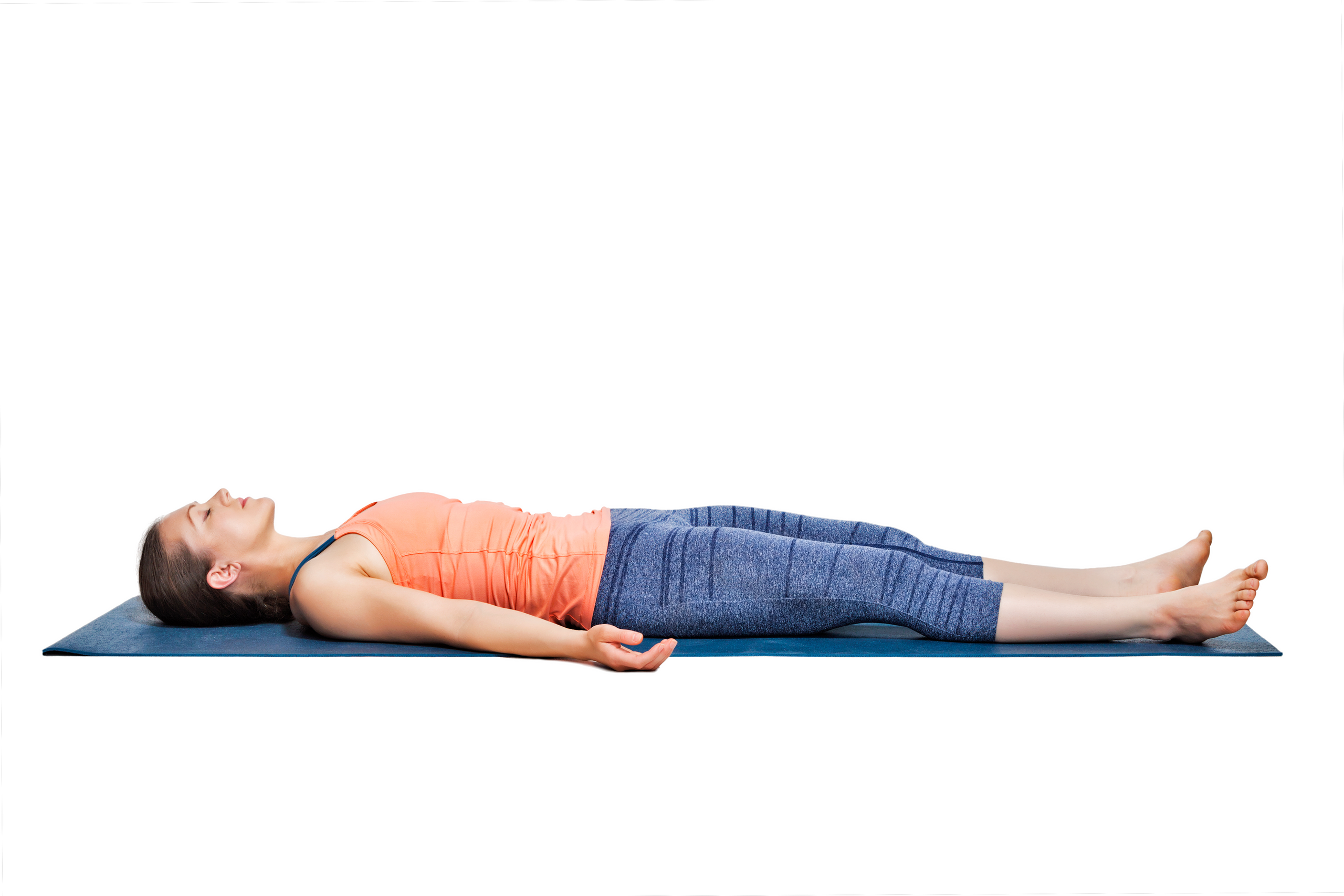
- Lie flat on your back with care, aiming for perfect symmetry. Take a moment to settle—this symmetry helps your entire body relax more deeply.
- Position your feet a little apart (about 18 inches), allowing them to gently fall out to the sides.
- Let your arms rest about 6 inches away from your body, palms facing up, fingers naturally curled.
- Ensure your head and spine are centered and aligned. If it feels comfortable, gently turn your head side to side to find a neutral position. Close your eyes softly.
Step-by-Step Guide
- Begin with a body scan: Notice where you are holding tension—your jaw, shoulders, back, or legs. Allow yourself to feel supported by the floor.
- Progressive relaxation: Gently rotate your legs inward and outward, then let them relax fully. Do the same with your arms and shoulders. Turn your head side to side and then find stillness in the center.
- Breath awareness: Shift your focus to your breath. Practice deep, gentle abdominal breathing—feeling your belly rise on the inhale and soften on the exhale.
- Tensing and releasing: For deeper release, try gently tensing each body part for a moment (feet, legs, hands, face), then consciously letting go. This makes it easier to sense true relaxation.
- Let gravity do the work: Imagine your body getting heavier with every breath, melting into the floor. Feel as though the earth is supporting all your weight.
- Use autosuggestion: Quietly repeat to yourself, “I relax my toes… my feet… my legs…” working your way up the body. With each exhalation, feel tension flow out and a sense of lightness or warmth spread through you.
- Visualization: Picture a gentle wave of relaxation moving from your head to your toes. Or, imagine tension leaving the body like ripples flowing outward with each breath.
Personal tip: If you notice your mind wandering, gently return your attention to your breath or the feeling of your body resting on the floor. It’s normal for thoughts to come and go—don’t force them away; just let them drift.
Duration and Frequency
- For deep relaxation, stay in Savasana for at least 10–20 minutes at the end of your practice. This gives your body time to process the effects of your asana session and fully unwind.
- Use Savasana between postures when you need to catch your breath or reset your energy—especially after more intense asanas.
- You can also practice Savasana anytime you feel mentally or physically fatigued, even outside of your yoga practice. Five minutes can be surprisingly refreshing.
Over time, this methodical approach will help you access deeper and deeper levels of rest, making Savasana not just the end of your practice, but a foundation for greater vitality and peace.
Variations and Related Relaxation Poses
While Savasana is the most well-known relaxation pose in yoga, there are several valuable variations and related postures that support relaxation in different contexts. Each of these has a unique place in practice, often tailored to the sequence of asanas you’re following or your body’s particular needs.
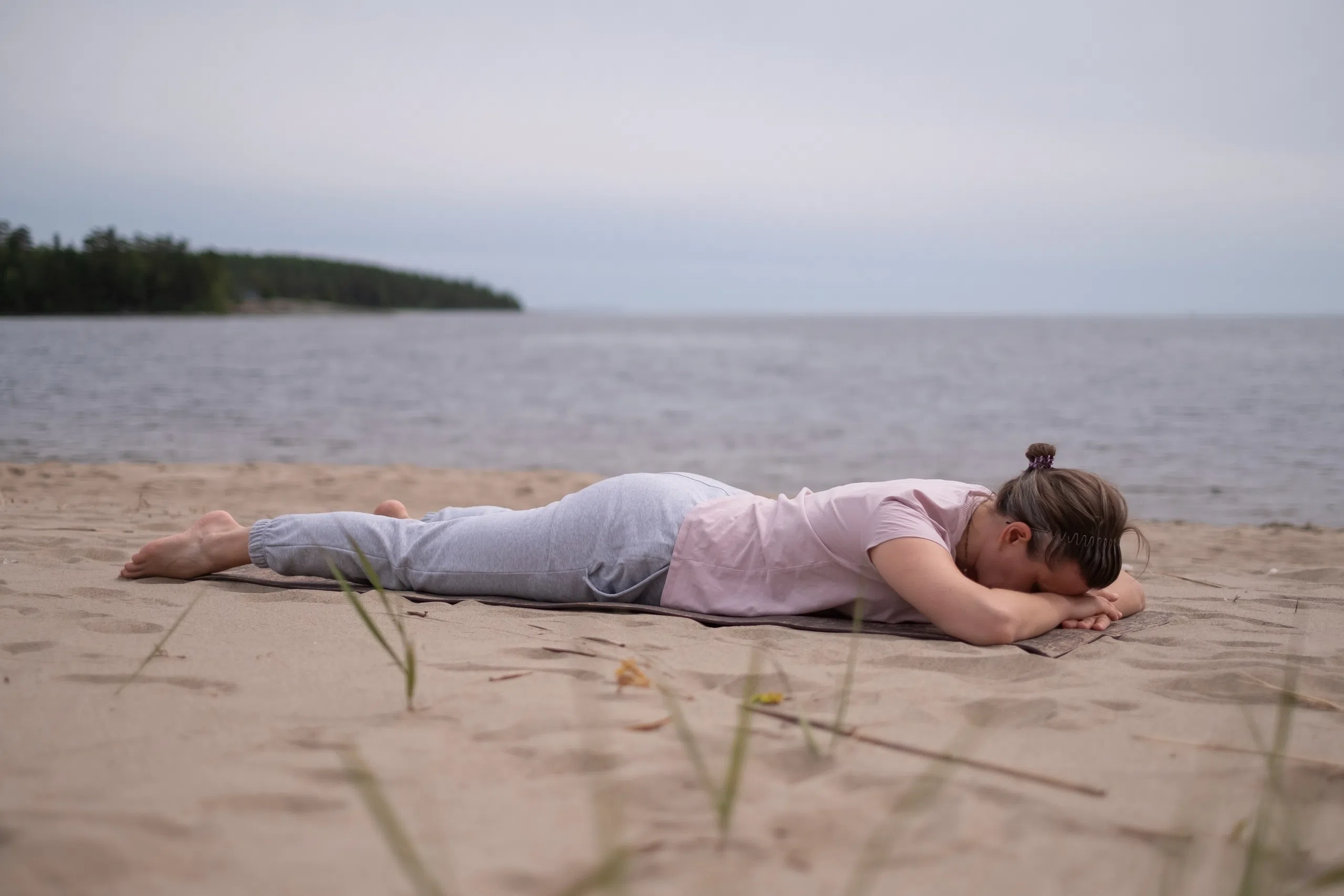
Frontal Corpse Pose
After practicing postures that are performed lying on the abdomen—like Cobra or Bow Pose—Frontal Corpse Poseoffers the perfect counterbalance.
- To enter this variation, lie down on your stomach with your legs slightly apart and the toes touching.
- Allow your heels to fall outwards.
- Make a pillow for your head by folding your arms or placing your hands under your forehead.
- Gently lengthen your whole body and let each muscle group soften with every exhalation.
This pose helps relax the spine and abdomen after prone backbends, and encourages a deep sense of letting go, especially in the lower back and shoulders. Alternate the side on which you rest your head to balance the neck and avoid stiffness.
Adhvasana
Adhvasana is sometimes referred to as the “reverse Savasana.”
- Lie flat on your belly, with the chest and abdomen touching the ground.
- Stretch your arms back by your sides, palms facing up.
- Rest one cheek on the floor for a few minutes, then switch to the other side.
Adhvasana offers similar benefits to Savasana but is particularly useful after strong backbends or anytime the front body needs grounding and release.
Jeshthikasana
Jeshthikasana is another deeply restful pose, often used for relaxation at the end of a practice session.
- Begin on your belly, and rest your head on your forearms, which are placed on the floor by the sides of your head.
- Allow your body to stretch out fully, letting the back and shoulders release tension.
This posture soothes the nervous system and provides a gentle way to recover from effortful asanas.
Makarasana
Makarasana—sometimes called Dolphin Pose—is a restorative posture for both body and mind.
- Lie face down as in Adhvasana.
- Cross your wrists and rest your forehead on top of your hands.
Makarasana encourages the breath to deepen naturally and allows the chest and shoulders to fully relax, making it especially valuable after back-strengthening poses or any time you need a calming pause.
In practice:
Rotating through these variations as needed throughout your session can help maintain comfort, prevent strain, and deepen your overall sense of relaxation. Whether you’re lying on your back or your belly, the key is to settle in, let gravity support you, and invite every part of your body to release—even for just a few minutes at a time.
The Subtle Art of Relaxation: Common Challenges and Tips
True relaxation in Savasana may seem effortless, but as many yoga students quickly discover, it’s often one of the most challenging parts of practice. The real art lies in developing conscious awareness—learning to notice and let go of tension not just in the body, but in the mind as well.
Unconscious Tension: The Hidden Habit
Most people are surprised to find out just how much tension they unconsciously carry. Shoulders creep up toward the ears, hands curl into fists, and the jaw clenches—all without us even realizing.
- Even in sleep, many people remain tense, never fully letting their bodies “switch off.”
- The first step is awareness: during Savasana, regularly check in with different parts of your body. Notice if you’re gripping or holding anywhere, and gently invite those areas to soften.
The Restless Mind: Harder Than It Looks
Relaxing the body is usually only half the challenge.
- The mind has a way of wandering, replaying old conversations, planning the future, or getting caught in stories and worries.
- In the beginning, it’s common for the mind to be busy, especially if you lead a hectic life or are new to yoga.
- Instead of fighting your thoughts, gently redirect your focus to the breath or to sensations of the body relaxing into the floor.
Tips for Deeper Relaxation
1. Use Simple Props
- Try placing a soft, folded cloth or eye pillow over your eyes. This blocks out light and gently signals your nervous system that it’s time to rest.
- If your lower back feels strained, place a bolster or rolled blanket under your knees for added comfort.
2. Make It Gradual
- Don’t expect perfect relaxation right away. Like any skill, it deepens with patient, regular practice.
- Allow yourself to relax a little more with each breath, each session. Trust that your body and mind will learn, step by step.
3. Avoid Drifting Into Sleep
- While deep relaxation feels similar to sleep, the goal in Savasana is to remain conscious and aware.
- If you find yourself nodding off, try making your breath a bit more deliberate, or gently wiggle your fingers and toes to return to a relaxed, awake state.
Personal reflection:
When I started practicing Savasana, I often found myself caught between daydreaming and dozing off. It took time to learn how to stay gently alert—relaxed but not asleep, present but not tense. It’s a delicate balance, and it’s perfectly normal to wobble a bit as you find your way.
With patience and self-compassion, you’ll discover that relaxation is a skill anyone can learn. Over time, you’ll notice subtle shifts—not only on the mat, but in your ability to pause, release, and reset during everyday life.
Benefits of Savasana
The effects of Savasana reach far beyond the yoga mat. Rooted in centuries-old yogic wisdom and confirmed by modern experience, this simple pose brings renewal to every level of your being. Its gifts are both immediate and cumulative, touching the body, mind, spirit, and even supporting recovery from illness.
Physical Benefits
Savasana is a powerful antidote to modern fatigue and physical strain.
- By allowing the entire body to rest completely, it relieves tiredness and helps restore energy that might otherwise be lost to unnecessary tension.
- The practice reduces the rate of breathing and pulse, supporting a gentle “reset” for the nervous system.
- Savasana also enhances tissue respiration: as the muscles and nerves relax, blood flow improves, and the body’s cells are more efficiently oxygenated.
- After an active yoga session or a demanding day, Savasana is especially important for recovery, helping the body repair itself and preventing burnout.
Mental and Emotional Benefits
The calming effect of Savasana is just as vital for the mind and emotions as it is for the body.
- As mental agitation and emotional stress settle, the mind grows quieter, fostering a sense of clarity and ease.
- This is a doorway to pratyahara—the yogic practice of withdrawing the senses from external distractions.
- With regular practice, Savasana supports the development of concentration (dharana) and even meditation (dhyana), creating space for deeper awareness and peace.
Spiritual Benefits
Perhaps most profound are the subtle, spiritual effects of Savasana.
- The pose gently encourages detachment from the identification with the body and mind, allowing you to glimpse a deeper sense of self—the peaceful “witness” within.
- Over time, this fosters a sense of inner freedom and the possibility of true spiritual relaxation, as taught in traditional texts.
- It is in these quiet moments that you may taste a profound sense of inner harmony and connection to your true nature.
Therapeutic Applications
Savasana is more than a relaxation tool—it’s a cornerstone of yoga therapy.
- The practice is recommended for a wide range of health concerns, including high blood pressure, anxiety, peptic ulcers, psychosomatic conditions, and nervous disorders.
- Because it requires no strength or flexibility, anyone can practice Savasana, regardless of age or health status. Even a few minutes a day can make a noticeable difference in well-being.
In essence, Savasana is a gift you give to yourself. With patient, regular practice, its benefits unfold quietly but surely, bringing greater balance, resilience, and peace to your entire life.
Savasana in Daily Life
The real beauty of Savasana is that its lessons and benefits aren’t limited to the yoga mat. The skills you build while lying in stillness can become invaluable tools for managing the stress and demands of modern living—no matter who you are or what your schedule looks like.
Bringing Relaxation Into Every Day
Think of Savasana as more than just a pose—it’s a practice of conscious rest that you can integrate into your daily routine.
- Whenever you notice yourself tensing up during the day—maybe at your desk, in traffic, or even standing in line—pause and take a slow, deep breath.
- Bring your awareness to your body, just as you do in Savasana: scan from head to toe, soften the muscles, and let go of any tension you find.
- A few moments of mindful relaxation, even while sitting or standing, can work wonders for your energy and focus.
Short Relaxation Breaks: Small Changes, Big Impact
You don’t need an hour-long yoga class to benefit from Savasana principles.
- Mini-relaxation breaks of just 3–5 minutes can be incredibly refreshing, especially during a hectic workday or before a big meeting.
- Try closing your eyes, letting your hands rest in your lap, and focusing on your breath. Imagine tension melting away with every exhale.
- Even taking a short rest in a quiet corner or leaning back in a chair, consciously relaxing your body and mind, can help restore your sense of balance.
For Professionals, Students, and Busy People
Savasana is for everyone—especially those with busy lives and full schedules.
- Professionals can use moments of relaxation between appointments or during breaks to clear mental clutter and return to work with renewed clarity.
- Students facing exams or heavy coursework can use Savasana-inspired pauses to calm nerves and enhance concentration.
- Anyone can build these micro-practices into their day—on public transport, in waiting rooms, or before bedtime.
From the source: Even the busiest doctors, lawyers, and businesspeople can practice conscious relaxation while waiting or between tasks. With just a few minutes, you can recharge your energy and approach your next activity with greater ease.
Savasana teaches that rest isn’t a luxury, but an essential part of a healthy, productive life. The more you practice, the more natural it becomes to pause, breathe, and let go—finding moments of peace wherever you are.
Conclusion
Savasana may look like the simplest pose in yoga, but its benefits run deep. This quiet practice teaches us the rare art of letting go—relaxing not just the body, but the mind and spirit as well. Whether you are new to yoga or a seasoned practitioner, Savasana offers a pathway to restore your energy, quiet your thoughts, and reconnect with your inner calm.
As you’ve seen, Savasana is much more than “just lying down.” It is a skill that grows stronger with patience and practice—a cornerstone of true health and well-being. By making space for conscious relaxation in your yoga practice and daily life, you nurture not only your body but your whole being.
So take these lessons with you, both on and off the mat. Give yourself permission to pause, breathe, and truly relax. In doing so, you’ll discover a wellspring of vitality, resilience, and peace that you can carry into every aspect of your life.
Shrinidhi Shastri
Keep In Touch
We care about your data. Read our privacy policy.
From Our Blog
Shop Yoga Essentials


