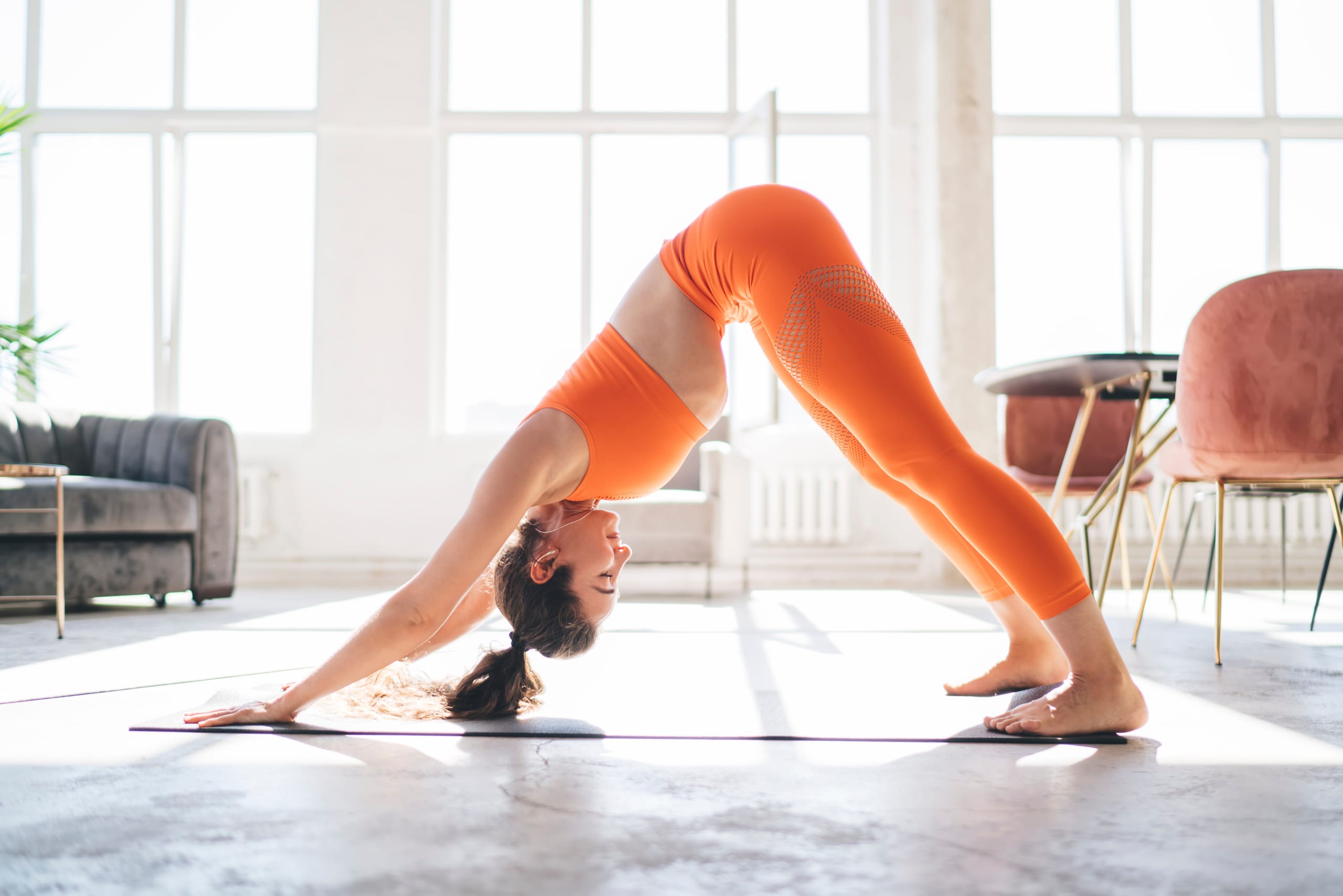
Downward Dog Pose (Adho Mukha Svanasana): How to Practice, Benefits, Mistakes, and Modifications
🪷 Introduction to Downward Dog Pose (Adho Mukha Svanasana)
Downward Dog Pose—known traditionally as Adho Mukha Svanasana—has a name that's a bit of a tongue-twister, but don’t let that scare you! This ever-popular yoga posture is one of the very first you’ll encounter in any class, and for good reason. Picture yourself stretching gently, your hands and feet rooted to the mat, lengthening your spine and letting your worries slide right off your shoulders. Welcome to the magic of Downward Dog.
What exactly is Downward Dog?
This pose is a foundational yoga posture often categorized as an inversion and a stretch. It bridges the gap between standing and seated postures, and appears in everything from slow restorative yoga to fiery vinyasa flows. Basically, it’s as at home in a gentle stretch session as it is in a dynamic workout.
Why Everyone Loves Downward Dog
Downward Dog is a favorite for beginners and seasoned yogis alike. Here’s why:
- Accessible: No, you don’t need to be able to touch your toes or bend like a pretzel. Beginners can benefit from this pose, often right from the start.
- Back-friendly: Anyone dealing with tight shoulders, stiff backs, or a craving for decompression will find relief here.
- Invigorating: Need an energy boost? The mild inversion wakes up your senses and gets your blood flowing.
Whether you are looking for a gentle stretch, a moment of calm, or a full-body wake-up, Downward Dog offers something for everyone.
What You’ll Discover in This Guide
- Step-by-step guidance: Demystifying each movement so you know exactly how to get into—and out of—the pose safely.
- Common mistakes: The sneaky habits that can trip you up, and how to fix them.
- Modifications and props: How to tailor the pose for your unique body, whether you’re just starting out, dealing with an injury, or aiming for a deeper stretch.
- Physical and mental benefits: From stronger arms and calmer minds to a happier back.
- At-home practice tips and video tutorials to make learning easy and enjoyable.
Ready to discover why Downward Dog is the backbone (pun intended) of the yoga world? Let’s stretch, breathe, and wag our inner tails as we explore this beloved pose together!
🧾 Asana Snapshot: Quick Facts for Downward Dog Pose
Here’s a handy cheat sheet for Downward Dog Pose, perfect for quick reference before you hop on your mat or as a gentle reminder during practice.
Attribute | Value |
|---|---|
Sanskrit Name | Adho Mukha Svanasana |
English Name | Downward Dog Pose |
Difficulty Level | Beginner to Intermediate |
Pose Type | Mild Inversion, Forward Fold, Stretch |
Targets | Hamstrings, Shoulders, Calves, Back, Arms |
Duration | Hold for 30 seconds – 1 minute |
Energizing/Cooling | Energizing |
Typical in Sequence | Sun Salutations, Vinyasa, All-Level Classes |
Props (If Needed) | Yoga blocks, Rolled blanket |
Fun Fact:
Despite its popularity today, Downward Dog was rarely seen in yoga routines before the 20th century—now, it’s practically the mascot of modern yoga!
Keep these details in your back pocket as we prepare to dive deeper into the magic of Downward Dog.
🧍♂️ Step-by-Step Instructions: How to Practice Downward Dog Pose
Ready to channel your inner playful pup? Here’s your detailed, beginner-friendly guide to Downward Dog Pose. Take your time—every step is a chance to connect with your body and breath.
1. Start on All Fours
- Description:
Begin with your hands and knees on the mat. Align your wrists directly beneath your shoulders and your knees beneath your hips. Let your fingers fan out wide, pressing into the mat.
- Breathing cue:
Take a deep, grounding inhale—it’s showtime!
2. Tuck Your Toes and Lift Your Knees
- Description:
Tuck your toes under. On your next exhale, gently lift your knees off the mat and straighten your legs, sending your hips high up and back.
Focus on making an upside-down “V” with your body.
- Breathing cue:
Exhale as you lift and find your length.
3. Find Your Alignment
- Description:
Press your hands firmly into the ground and rotate your inner elbows toward each other.
Keep your head relaxed between your arms (peek at your feet if you feel silly—nobody’s watching!).
Lengthen your spine, reaching your tailbone up and back.
If your hamstrings feel tight, it’s totally fine to keep a soft bend in your knees.
- Breathing cue:
Inhale, expanding through the chest and feeling the stretch along your back and arms.
4. Ground through the Heels
- Description:
Stretch your heels toward the mat, without worrying if they touch. Let them hover if needed—no yoga teacher will ever give you detention for that!
- Breathing cue:
Exhale and release tension with every breath.
5. Relax and Hold
- Description:
Stay here for a few breaths. Draw your shoulder blades down your back and melt your heart gently toward your thighs.
Spread your fingers, feeling energy flow from your hands all the way to your hips.
- Breathing cue:
Settle into a steady, spacious breath. Inhale deeply, exhale completely.
6. Release the Pose
- Description:
To come out, gently lower your knees back to the mat and rest in Child’s Pose if you like.
- Breathing cue:
Inhale as you lower, exhale as you relax.
Side and Front Angles:
(Visual guides here will show you how the pose looks from both angles, highlighting the alignment of hands, hips, and feet. Swogue-branded images recommended for clarity and inspiration.)
✅ Swogue Tip:
Downward Dog isn't about perfection. It’s about feeling your way into the stretch, listening to your body, and enjoying the journey! Practice consistently, and it will become your favorite home base on the mat.
💡 Benefits of Downward Dog Pose (Adho Mukha Svanasana)
Downward Dog isn’t just a pose you breeze through on your way to the next one—it’s a full-body refresh, a mental reset, and a little hug for your nervous system, all rolled into one very famous “V” shape.
🌱 Physical Benefits
- Stretches Your Entire Back Body:
From your calves and hamstrings to your spine and shoulders, Downward Dog offers a delicious stretch from head to heel.
- Strengthens Arms and Shoulders:
Holding your weight with your hands helps build arm and shoulder strength—no push-ups required.
- Lengthens the Spine:
Gravity’s your friend here, gently pulling your spine long and providing precious decompression, especially after long hours at a desk.
- Opens Shoulders and Chest:
Wave goodbye to hunching! This pose encourages an open, expansive upper body.
- Engages Core Muscles:
Keeping your belly gently drawn in gives your core a friendly workout and supports healthy posture.
- Improves Circulation and Energy:
With your heart above your head (yep, that counts as an inversion), blood flows more easily, offering a natural boost of energy and alertness.
- Eases Stiff Legs and Feet:
Great for runners, walkers, or anyone whose legs feel tight or tired.
🧠 Mental, Emotional, & Spiritual Benefits
- Invites Calm and Clarity:
Breathing in Downward Dog is like hitting your personal reset button. A few slow, steady breaths can help clear mental chatter and restore calm.
- Reduces Stress:
The gentle inversion has a soothing effect on your nervous system, which can help regulate stress levels (and who doesn’t need that?).
- Encourages Focus and Presence:
Holding and adjusting your pose helps tune out distractions and brings your attention right back to the now.
- Boosts Confidence:
Mastering this foundational pose instills a sense of accomplishment and confidence on (and off) the mat.
🌺 A Glance from the Ayurvedic Perspective (Optional, But Lovely)
In Ayurveda, movement and gentle inversions like Downward Dog are believed to balance energy, calm excess heat, and promote circulation. This pose is grounding yet uplifting—a perfect blend for restoring both mind and body.
In short:
A few breaths in Downward Dog is like a whole-body sigh of relief. It’s energizing and calming, lengthening and strengthening—no wonder dogs love this shape for their morning stretch! Embrace the benefits fully (tail wag optional, but always encouraged).
⚠️ Common Mistakes to Avoid in Downward Dog Pose
Even the most practiced yogis sometimes fall into bad habits in Downward Dog. Think of this section as your friendly, judgment-free nudge to help you get the most from your pose.
🚧 Misalignment of Hands & Feet
Mistake: Hands too close together, feet too far apart, or either pointing at odd angles.
Result: Extra strain on wrists, shoulders, or lower back.
How to Fix:
Hands should be shoulder-width apart, fingers spread wide. Feet about hip-width, pointing forward. Push equally through your whole hand—not just the wrists.
🐈⬛ Overarching or Rounding the Back
Mistake: Sagging your belly like a sleepy cat or making your back super round.
Result: Strain in your lower back or lack of stretch along the spine.
How to Fix:
Imagine lifting your hips to the ceiling and lengthening from your hands to your tailbone. Keep a gentle bend in your knees if needed to keep the spine long (straight legs are optional, not required!).
🧘♀️ Locked Knees or Heels-forcing
Mistake: Forcing your heels to the mat or locking your knees straight.
Result: Tight hamstrings, grumpy knees, and lost alignment.
How to Fix:
Let your heels hover as needed and always keep a micro-bend in the knees until your legs loosen up. Flexibility is a journey, not a competition!
😮💨 Forgetting to Breathe
Mistake: Holding your breath, especially when trying to “perfect” the pose.
Result: Tension and frustration build, rather than release.
How to Fix:
Breathe in and out through your nose, matching breath to movement. If you’re wiggling, sighing, or humming, you’re probably doing it right!
🧊 Skipping the Warm-up
Mistake: Jumping straight into Downward Dog cold, especially first thing in the morning or after sitting.
Result: Aggressive stretching, risk of injury, and discomfort.
How to Fix:
Spend a few moments in Cat-Cow, gentle forward folds, or even a brisk walk around the room before heading into your first Downward Dog. Happy muscles = happy yogi.
🎯 Pro Tips
- Focus on the feeling of length and stretch, not how “picture-perfect” you look.
- Use props—like yoga blocks—for extra lift or support.
- If in doubt, bend your knees and prioritize your spine’s length above all.
- Check in with your breath. If you can breathe easily, you’re already winning!
Remember:
Yoga meets you exactly where you are—it’s a practice, not a performance! Each Downward Dog is a new opportunity to explore, adjust, and discover what feels best for your body.
🧘 Modifications & Variations for Downward Dog Pose
Everyone’s Downward Dog looks a little different, and that’s not just okay—it’s beautiful. The magic is in making it work for your unique body. Whether you’re easing into yoga for the very first time or looking to spice things up, here’s how you can adapt and play with this classic pose.
🕊️ Beginner-Friendly Adaptations
- Bend Your Knees Generously
If your hamstrings or lower back feel tight, let those knees bend as much as needed. The focus is a long, flat spine—not straight legs.
- Hands Higher Up
Try placing your hands on a sturdy chair, yoga blocks, or even the wall. This shifts weight off your arms and can be easier on your wrists and shoulders.
- Shorten Your Stance
Bringing your feet a bit closer to your hands can make balancing the pose more manageable and less daunting.
🧺 Helpful Props
- Yoga Blocks
Place hands on blocks under each palm for extra elevation if you have tight shoulders or wrists.
- Folded Blanket or Towel
Slide a soft blanket under your heels if the mat feels too far away or to cushion tender joints.
- Straps for Wrists
Straps around the arms, just above the elbows, can remind you to keep arms shoulder-width apart (think of it as a gentle yoga hug!).
🌟 Advanced Variations
- Three-Legged Downward Dog
Lift one leg toward the sky, keeping hips level. This challenges balance, strengthens legs, and awakens the core (just don’t try to lick your toes in this one).
- Twisted Downward Dog
Reach your right hand to your left ankle (or shin) for a gentle twist through the spine; repeat on the other side for balance.
- Puppy Dog Variation
Lower your forearms to the mat for a gentler version on the wrists (called “Dolphin Pose”—not just for ocean lovers).
- Downward Dog to Plank Flow
Move smoothly from Downward Dog to Plank and back, linking breath and movement for a mini vinyasa workout.
Creative exploration is encouraged! There’s no single route to yoga bliss. Use props, play with variations, and trust what feels good in your body. Over time, Downward Dog will become not just a pose, but your favorite resting and recharging place on the mat.
🤒 Contraindications / When to Avoid Downward Dog Pose
While Downward Dog is a gem in any yoga sequence, there are times when giving it a pass is the wisest choice. Listening to your body—and your healthcare provider—always comes first. Here’s what to keep in mind for a safe and smart practice.
🚩 Medical Conditions
- Wrist, Shoulder, or Elbow Injuries:
If you have recent or ongoing pain in your wrists, shoulders, or elbows, Downward Dog can aggravate it. Opt for hands-on-the-wall or skip the pose entirely until you’re healed.
- High Blood Pressure or Eye Conditions:
Because this pose is mildly inverted (heart above the head), it may not be recommended for those with uncontrolled high blood pressure, glaucoma, or other eye issues. Always consult your doctor first.
- Back Problems or Hernia:
If you suffer from severe back pain, slipped disc, sciatica, or hernia, Downward Dog could worsen symptoms. Consult a healthcare professional or use gentle modifications under expert guidance.
- Recent Surgery:
Abdominal, shoulder, or spinal surgeries require extra caution. It’s best to avoid Downward Dog until fully cleared by your doctor.
🤰 Pregnancy
- Late Pregnancy:
As your pregnancy progresses, deep forward folds and weight-bearing on the belly may be uncomfortable or unsafe. Gentle alternatives with props (or skipping the pose) are preferable in the third trimester and beyond.
🩹 Recovery Situations
- After Acute Injury:
If you’re healing from any acute, fresh, or undiagnosed injury, it’s always better to err on the side of caution. Try restorative alternatives or rest instead.
- Fatigue and Illness:
In times of exhaustion or if you’re feeling unwell, opt for nurturing poses like Child’s Pose or Savasana.
🧑⚕️ When to Consult a Professional
- If you’re unsure about your condition, are new to yoga with medical concerns, or are navigating a unique health challenge, a check-in with your doctor or physical therapist is a smart step.
- Certified yoga instructors can also suggest safe modifications or alternatives specific to your needs.
Remember:
Yoga is about honoring your body’s wisdom. There’s no rush—your mat and Downward Dog will be waiting cheerfully for you when the time is right! And when in doubt, choose the path of gentleness and safety.
🔁 Sequence Integration: Flowing To and From Downward Dog
Downward Dog is not just a pose—it’s a friendly intersection on the yoga highway. It links, transitions, and anchors many yoga flows. Whether you’re doing a classic Sun Salutation or building your own home practice, knowing which poses pair well before and after Downward Dog makes everything flow smoother (and feels oh-so-good).
🕰️ Poses to Do Before Downward Dog
Easing into Downward Dog with gentle, preparatory poses warms up your body and protects against strain. Here are some favorites:
- Cat-Cow Pose:
A gentle flow that mobilizes the spine and wakes up the shoulders and core.
- Child’s Pose:
Opens up the back, gently stretches hips, and creates a feeling of calm grounding.
- Tabletop Position:
The simple setup for all-fours movements and a great starting point for alignment.
- Standing Forward Fold:
Begins to open up the hamstrings and calves, prepping those muscles for the stretch ahead.
- Low Lunge:
Wakes up hip flexors and helps lengthen the back body.
🐾 Poses to Do After Downward Dog
After Downward Dog, your body is more open and your breath deeper—perfect for flowing into these favorites:
- Plank Pose:
Transition straight to Plank to activate your core and upper body for a dynamic sequence.
- Cobra or Upward Facing Dog:
Part of the classic vinyasa flow, these openings counter the stretch in Downward Dog with gentle backbends.
- Child’s Pose (again!):
A perfect resting pose, allowing your arms and back to gently recover.
- Standing Forward Fold:
Let the stretch continue, now with a little more ease as your muscles warm up.
- Warrior Poses:
Stepping one foot forward from Downward Dog brings you into strong, empowering standing postures.
🌀 Sample Mini Sequence
- Cat-Cow (2-3 rounds)
- Child’s Pose (5 breaths)
- Tabletop to Downward Dog (hold 5 breaths)
- Flow Down to Plank, then Cobra
- Transition back to Downward Dog
- Step forward to Warrior I or Child’s Pose
Pro Tip:
Downward Dog can always be your “home base.” When in doubt, return here to recalibrate your breath and body before moving on. It fits beautifully into almost every yoga style and sequence, making it both a launch pad and a soft landing.
Explore, play, and find where Downward Dog feels best in your flow—it’s truly the mat’s most reliable friend!
📚 Yogic Philosophy Behind Downward Dog Pose
Downward Dog (Adho Mukha Svanasana) might look simple—just a stretch that your neighbor’s golden retriever does every morning. But in the heart of yoga, even the most familiar poses are layered with meaning, tradition, and subtle energy.
🐾 Symbolism and Roots
The name itself means “downward-facing dog pose,” inspired by the natural stretch dogs—and most animals—do after rest. This isn’t just cute; it's a reminder that our bodies crave instinctual movement and restorative stretching. Practicing Downward Dog is like reconnecting with your body’s natural language and honoring the wisdom within.
While there’s no specific mythological tale directly tied to this pose, many classic yoga postures echo the animal kingdom, reminding us to draw inspiration from nature’s effortless balance of strength, grace, and play.
🔮 Energy Flow and Subtle Body Connections
- Grounding and Uplifting
Downward Dog is unique—it roots you through the hands and feet while lengthening the entire body upward and back. This dual sensation balances the energies of stability (earth) and expansion (sky)—giving you both calm and clarity.
- Chakra Connection
This pose aligns multiple energy centers simultaneously:
- Root Chakra: (Base of spine) Connects with the grounding action of feet and hands.
- Solar Plexus Chakra: (Core) Engaged to support your midsection.
- Heart Chakra: (Center of chest) Opens as you draw the chest gently toward the thighs.
- Crown Chakra: (Top of head) Faces down, allowing awareness and energy to circulate.
As you hold Downward Dog, imagine energy flowing from your hands and feet, through your limbs, converging at your heart and shooting out through your tailbone and crown—a living, breathing bridge between earth and sky.
🧘♀️ Beyond the Physical
On a deeper level, Downward Dog is a practice in humility, surrender, and renewal:
- Lengthening the spine signifies the desire to rise above everyday worries.
- Heart moving toward the earth is an act of surrender, letting go of pride and tension.
- Inversion (even a mild one) helps you see the world from a new perspective. Sometimes, all it takes is turning life upside down to understand it more clearly!
The philosophy woven into Downward Dog is simple and profound: Trust in what feels natural, balance steadiness with lightness, and allow movement to nourish every layer of your being—body, mind, and spirit. Each time you settle into this pose, you’re honoring the unity and wisdom that yoga, and all of nature, invites us to remember.
📝 Printable PDF / Quick Reference
For those who like to keep practice resources handy—on the fridge, by your mat, or in your yoga bag—a printable Downward Dog Quick Reference sheet is just the thing. This easy-to-download guide will be your trusty companion, especially on days when you crave simplicity and clarity.
What’s Included in Your PDF Pose Sheet:
- Step-by-step instructions:
Concise, beginner-friendly directions to help you get into and out of Downward Dog safely.
- Visual Reference:
A clear, Swogue-branded illustration or photo so you always know what your pose should look like from the side and front.
- Top Benefits:
A quick list of physical and mental perks—because a little motivation goes a long way.
- Key Alignment Cues:
Simple reminders (like “bend your knees” and “hug in your belly”) that anchor you in good form every time.
- Common Mistakes & Fixes:
Quick troubleshooting for those “what am I doing wrong?” moments.
- Modifications & Props:
At-a-glance adaptations to tailor the pose just for you, whether you’re a beginner or need extra support.
- Safety Tips:
Easy-to-read contraindications and when to skip or modify the pose, keeping your practice safe and smart.
Print it, hang it, or keep it in your wellness journal. Your Downward Dog cheat sheet will become a gentle, encouraging guide every time you step on your mat. For more printable guides, updates, and inspiration, be sure to check back with us at https://swogue.com.
🙋 Frequently Asked Questions: Downward Dog Pose
Every yogi (especially beginners) has questions about Downward Dog. Here’s a collection of the most common curiosities and clarifications to keep your practice stress-free!
Can beginners do Downward Dog Pose?
Absolutely! This pose is wonderfully beginner-friendly. It’s okay if your heels don’t touch the mat or your knees need to be bent—what matters most is length in your spine and comfort in your breath. Modifications and props are always welcome.
How long should I hold Downward Dog?
Start by holding the pose for 3–5 breaths. As your strength and confidence grow, you can stay for up to a minute (or longer if it feels good). If your arms or legs start to shake, try coming down, resting, and then returning for another round.
Is it okay to feel pain or tightness?
A gentle stretch or mild tightness, especially in your hamstrings or calves, is normal for beginners. But sharp pain, pinching, or anything that feels wrong is your body’s way of asking for a change—bend your knees, use props, or come out of the pose altogether.
Can I practice Downward Dog every day?
Yes! This pose is safe for regular, even daily practice. It’s an excellent way to refresh your whole body and reset your mind—just be mindful of how your shoulders, wrists, and back feel, and honor any days you need to rest or modify.
My heels don’t touch the floor—does that mean I’m doing it wrong?
Not at all. Most people’s heels will hover, sometimes for years! Flexibility in the calves and hamstrings comes over time. As long as you’re finding a stretch and keeping your spine long, you’re doing wonderfully.
Why do my wrists hurt in Downward Dog?
Wrist discomfort is common, especially if you’re new to weight-bearing on your hands. Try spreading your fingers wide, pressing more into your knuckles and fingertips, or placing your hands on blocks. Taking breaks and building wrist strength over time also helps.
Can pregnant women do Downward Dog?
For many, this pose is comfortable in early and mid-pregnancy, but always check with your healthcare provider and listen to your body. As pregnancy progresses, modifications, props, or substituting gentler stretches may be advised.
What should I focus on most: straight legs, flat back, or heels down?
Prioritize a long, straight spine above all else. Bending the knees is perfectly okay if it helps. The “straight legs, flat back, and heels down” look is less important than feeling easeful stretch and good alignment for your body.
How do I make it easier if I’m feeling stiff or tired?
Try using blocks under your hands, bending your knees, and focusing more on spreading your hands and lengthening your spine. And remember—shaking it out in Child’s Pose is always a win!
If you have more questions as your practice unfolds, know that you’re not alone. Downward Dog meets every yogi with fresh challenges and discoveries—so stay curious and playful on your journey!
💬 Ready to Embrace Your Downward Dog?
You’ve explored the ins and outs of Downward Dog Pose—from simple how-tos and surprising benefits to expert tips and playful philosophy. Now it’s your turn to unroll your mat, take a breath, and stretch into this yoga classic.
Every time you come into Downward Dog, you’re building more than flexibility. You’re inviting strength, calm, and fresh perspective into your day. Remember, it’s not about looking picture-perfect—it’s about how you feel and what you discover about yourself along the way.
We’d love to hear how you make Downward Dog your own!
- How does it feel in your body?
- What creative modifications work best for you?
- Do you have a favorite music playlist or mantra for your home practice?
Share your experience with the Swogue community, connect with fellow yogis, and inspire others on their journey. Every wag, wobble, and “aha!” moment is welcome here.
Ready for more yoga wisdom, printable guides, and supportive resources? Stay tuned with us at https://swogue.com—your next yoga adventure is just a breath away.
Keep stretching, keep smiling, and keep showing up for yourself—Downward Dog style!
Yoga
Asana
Shrinidhi Shastri
Keep In Touch
We care about your data. Read our privacy policy.
From Our Blog
Shop Yoga Essentials


